

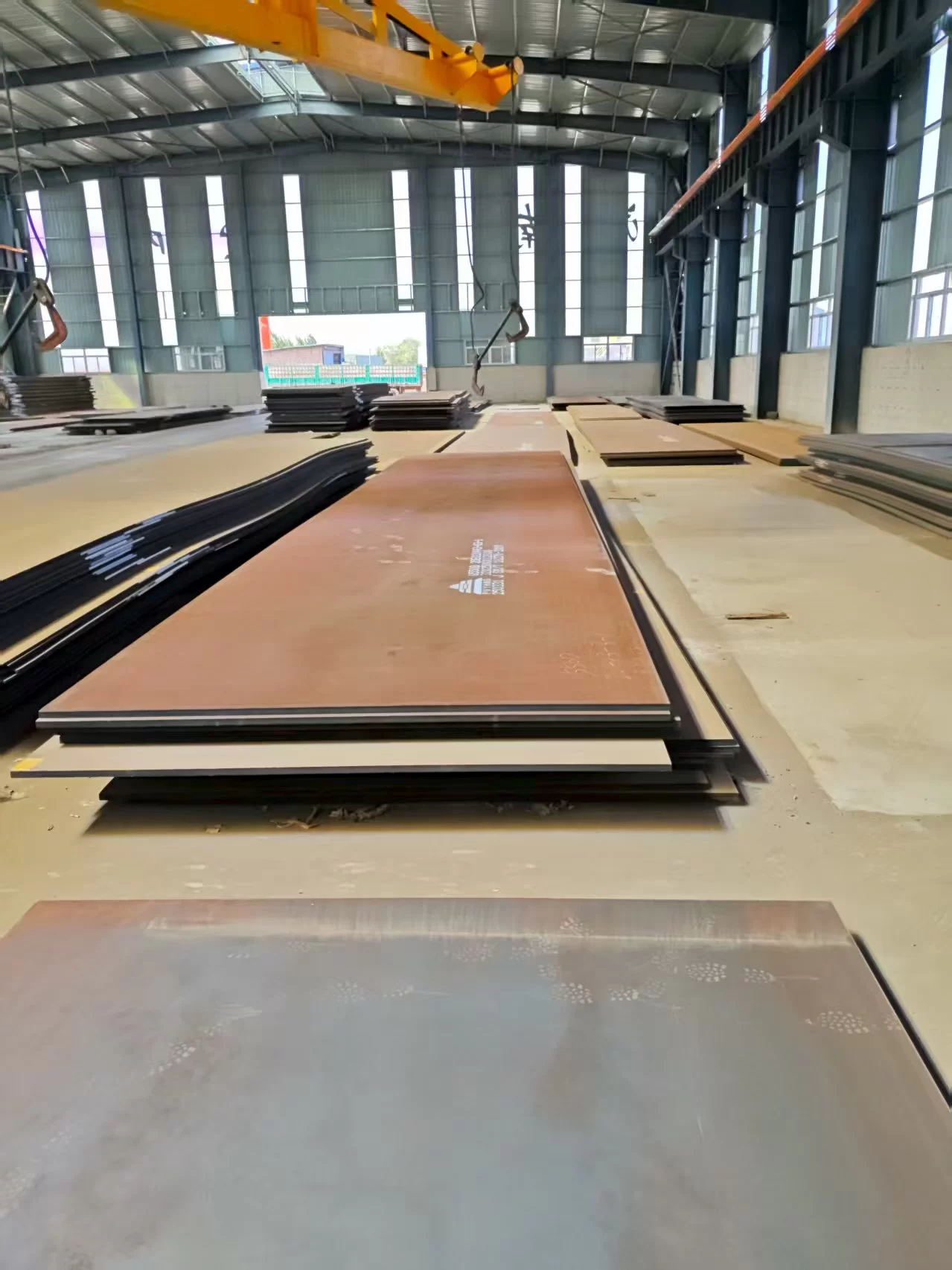
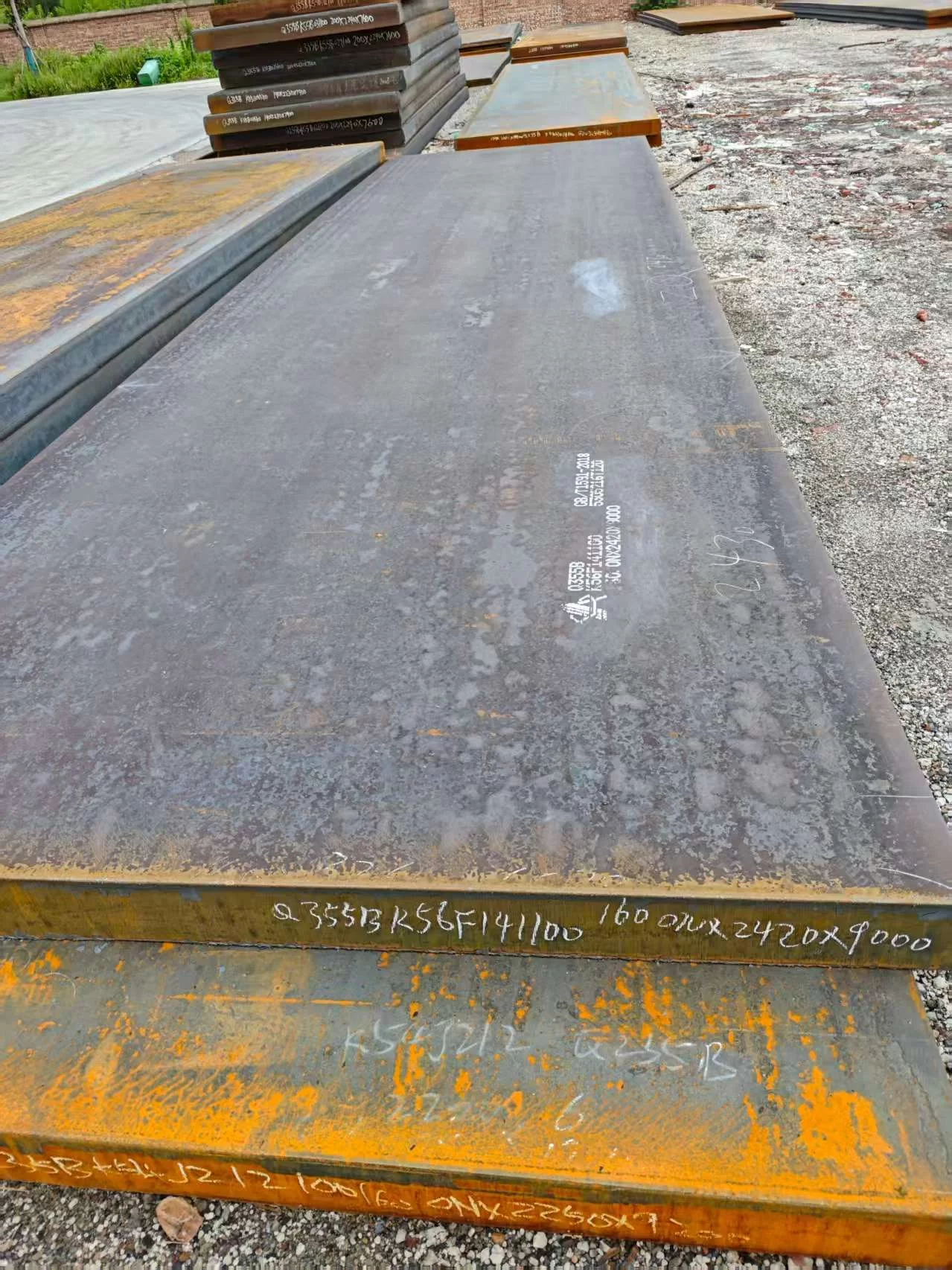
Q345Q Q370Q D E Q420Q D E Structural Steel For Bridges
Q345q Series Structural Steel for Bridge Projects
Q345q series steel is low-alloy, high-strength structural steel primarily composed of carbon, manganese, and silicon. It is designed for structural applications in which strength, toughness, and dependable fabrication are important considerations. The material offers high tensile strength alongside good weldability, helping project teams work with it in the fabrication and assembly of structural components.
Its reported characteristics also include excellent toughness, performance in low temperatures, and resistance to atmospheric corrosion. These qualities make Q345q steel relevant to bridge construction and other demanding infrastructure work, where structural members must contribute to stable, load-bearing assemblies and remain suitable for service in challenging environments. The product title also identifies Q370q and Q420q D/E grades; the detailed composition and naming information below is specifically provided for Q345q series steel.

Q345q Steel Naming Rules and Designations
The designation communicates key information about the steel and its intended structural category. When reviewing a grade for a bridge specification or material schedule, consider each part of the designation together rather than treating the letter and number sequence as a single grade identifier.
- Q: Indicates yield strength.
- 345: Indicates a minimum yield strength of 345 MPa.
- q: Indicates suitability for bridge structures.
- C/D/E/F: Identifies quality grades associated with toughness at 0℃/-20℃/-40℃/-60℃. An example designation is Q345qD.
- NH: Indicates weather-resistant steel designed to withstand atmospheric corrosion, as in Q345qDNH.
- Z-: Indicates a Z-direction performance grade, such as Z15 or Z25. An example designation is Q345qDNHZ15.
These naming elements help buyers, engineers, and fabrication teams identify the grade information stated in a project requirement. Confirm the complete designation against the applicable drawings and material specification so that the selected steel corresponds to the intended strength, quality grade, weather-resistance designation, and Z-direction performance requirement where specified.
Bridge Construction and Infrastructure Applications
Q345q series steel is commonly used in bridge construction, large infrastructure, and structural supports. In these applications, a steel member forms part of a larger structural system, so its load-bearing capacity and reliable behavior under stress contribute to the stability required by the overall design. Bridge projects may use structural steel in components that must be fabricated, assembled, and integrated with other parts of the structure according to project-specific engineering documents.
For purchasers and project planners, the bridge designation helps distinguish steel intended for bridge structures from material selected without that stated application. The listed toughness and low-temperature performance are relevant considerations when evaluating a grade for environments that experience low temperatures. Where atmospheric corrosion resistance is required, the NH designation identifies weather-resistant steel as described above; it should be selected only when consistent with the project specification.
The material’s weldability also supports fabrication and assembly work, while its strength and toughness provide useful properties for structural members exposed to service stresses. Final selection, detailing, fabrication procedures, and installation should follow the project’s engineering requirements. These considerations allow the material to be assessed as part of the complete bridge or infrastructure system rather than in isolation.

Material Characteristics and Project Value
The reported characteristics of Q345q series steel support its use in demanding structural work. Each property contributes a different consideration during design, sourcing, fabrication, or service planning. Their value depends on matching the grade and designation to the actual conditions and requirements of the project.
- High strength: Makes the steel suitable for heavy structures and load-bearing applications where strength is an important material consideration.
- Reliable performance under stress: Supports structural dependability and helps reduce the risk of failure when the material is correctly specified and used as part of an engineered assembly.
- Good weldability: Facilitates fabrication and assembly, helping teams join structural components in accordance with approved procedures.
- Excellent toughness: Contributes to durability and makes the listed quality grades relevant when low-temperature toughness requirements are being considered.
- Corrosion resistance: Can contribute to the service life of structures. The NH designation specifically identifies weather-resistant steel designed to withstand atmospheric corrosion.
These characteristics can help project teams compare material requirements and plan steel use across bridge construction, infrastructure, and structural support applications. For ongoing service, maintenance and inspection planning should follow the design, site conditions, and applicable project guidance; no single material characteristic replaces a complete maintenance strategy. Checking the grade designation and project documentation before procurement helps keep material selection aligned with the intended use.


