


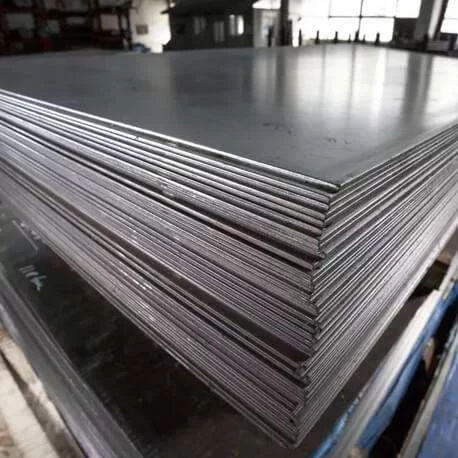
Corten Steel Plate Q235Nhq500Nh B E Q355Gnh B D
Corten Steel Plate: Weathering Structural Steel
Corten Steel Plate Q235NH~Q500NH(B-E) Q355GNH(B-D) is presented as weathering structural steel, atmospheric corrosion-resistant steel, and COR-TEN steel. Weathering structural steel is a low-alloy steel designed to develop a dense, self-healing rust layer, commonly called a patina, when exposed to weather. This surface layer slows further corrosion while helping the material maintain its structural integrity.
The developing patina gives weathering steel a distinctive appearance while serving a functional role at the exposed surface. This makes the material relevant to projects where steel remains visible rather than being covered by a conventional paint finish. Its suitability for a specific structure should be considered in relation to the exposure conditions, design requirements, and intended surface appearance of that project.

For buyers comparing structural plate options, the grade designation, application, surface treatment approach, and project requirements are key points to review together. The listed product grades are Q235NH through Q500NH(B-E) and Q355GNH(B-D). These designations identify the supplied weathering steel range; confirm the grade required for the intended design before ordering.
Steelmaking and Production Process
The stated production route for weathering steel includes fine feeding and smelting in a converter or electric furnace, microalloying treatment, argon blowing, LF refining, low-superheat continuous casting with rare earth wire feeding, and controlled rolling and cooling. These connected stages form the described process from furnace charge through casting and subsequent processing.
During smelting, scrap steel is added to the furnace with the charge and processed according to the conventional production process. After steelmaking, deoxidizer and alloy additions are made. The molten steel is then treated with argon blowing and cast immediately. The product information explains that adding rare earth elements helps purify the weather-resistant steel and greatly reduces the content of inclusions.
Controlled rolling and cooling are also identified as parts of the manufacturing route. For procurement and production planning, understanding this sequence helps buyers discuss material processing and product requirements with their supplier, while keeping the description aligned with the stated steelmaking method.

The combination of furnace processing, alloy and deoxidizer additions, argon treatment, and casting provides the stated basis for producing this weathering steel. The rare earth wire feeding step is part of the continuous-casting route described for the material.

Applications and Surface Quality
Weathering steel plate is used in container manufacturing, bridge construction, and other engineering projects. Conventional weathering steel is also used for bridges and building structures. These applications make it a material to consider when a project calls for structural steel and an exposed weathering-steel finish.
The plates are described as having smooth surfaces and as adapting to the trend toward unpainted exposure applications. An exposed surface can make the steel’s natural weathering appearance part of the overall architectural or engineering design. For container, bridge, and building work, this can support a coordinated visual approach in which the structural material is not concealed by a paint system.
Project teams should still consider the intended service environment and construction details when planning an unpainted application. The patina develops through exposure, so the appearance can evolve over time. Confirming surface expectations and application suitability during specification helps align the selected plate with the finished project’s functional and visual objectives.
Weathering Steel Advantages
Corrosion resistance and maintenance value
The product information attributes stable patina formation to alloying elements including Cu, Cr, and P. It states that this can reduce corrosion rates by 50–80% compared with carbon steel. It also describes weathering steel as a zero- or low-maintenance option because recurring painting costs can be avoided, with lifecycle maintenance savings of up to 40% over 30 years stated in the supplied claims. Actual performance and maintenance needs depend on the project and service conditions.
Aesthetic and environmental considerations
Weathering steel develops a distinctive rust-red architectural appearance that can blend naturally with surrounding landscapes. Avoiding paint systems is also presented as an environmental advantage: the product information states that VOC emissions can be reduced by 90% or more and that the steel is 100% recyclable. These characteristics may be relevant to owners and designers balancing material appearance, maintenance planning, and end-of-life recovery.
Structural performance and project scheduling
The supplied information states that the steel meets ASTM A588/A709 standards and has strength and weldability equal to conventional structural steel. It also notes that skipping surface-treatment stages can cut construction schedules by 15–20%. Treat these points as product information to verify against the requirements and documentation for the specific order and application. Where applicable, reducing surface preparation steps can simplify coordination between material supply and construction activities.
Taken together, the described corrosion behavior, exposed-surface appearance, maintenance considerations, and structural applications explain why weathering steel is considered for containers, bridges, building structures, and broader engineering work. Review the required grade, applicable standards, surface expectations, and project conditions as part of material selection.

