


Corten Steel Weathering Structural Steel Factory And Suppliers In China
Corten steel, also known as weathering structural steel, is a premium low-alloy material designed to form a stable, dense, self-protecting rust layer called a patina. As it experiences natural cycles of wetting and drying, this oxide layer helps slow further corrosion and supports long-term structural performance without conventional protective coatings.
Our production process combines converter or electric-furnace smelting, micro-alloying, LF refining, and rare-earth wire feeding during continuous casting. These controlled steps help achieve high material purity and minimize inclusions. The resulting smooth, high-precision surface is suited to unpainted architectural projects as well as demanding industrial engineering applications.
Detailed Product Parameters
| Product Range | Q235NH~Q500NH (B-E), Q355GNH (B-D) | Material Type | Atmospheric Corrosion-Resistant Steel |
|---|---|---|---|
| Alloying Elements | Copper (Cu), Chromium (Cr), Phosphorus (P) | Standards | ASTM A588 / ASTM A709 |
| Production Process | Rare Earth Wire Feeding & Control Rolling | Surface Quality | Smooth, High-Precision Finish |
| Key Feature | Self-healing Patina (Oxide Layer) | Weldability | Equivalent to conventional structural steel |
| Main Applications | Bridges, Containers, Architecture | Maintenance Level | Zero to Low Maintenance |
Key Advantages of Corten Steel
Enhanced Atmospheric Corrosion Resistance
Its alloying elements promote a stable patina, reducing corrosion rates by 50-80% compared with standard carbon steel.
Reduced Maintenance Requirements
By eliminating recurring painting and recoating, Corten steel can save up to 40% in lifecycle maintenance costs over 30 years.
Distinctive Architectural Appearance
The steel develops a characteristic rust-red patina that complements surrounding landscapes and architectural designs.
Environmentally Considered Material
Avoiding paint systems reduces VOC emissions by 90%+; the steel is also 100% recyclable at the end of its service life.
Standards-Based Performance
Manufactured to meet ASTM A588/A709 standards, with high strength and reliable weldability.
Potentially Shorter Project Timelines
Skipping surface treatment and painting stages can reduce overall construction schedules by 15-20%.
Corten Steel Product Gallery


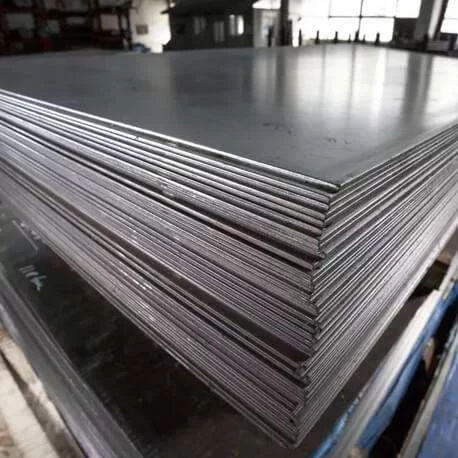
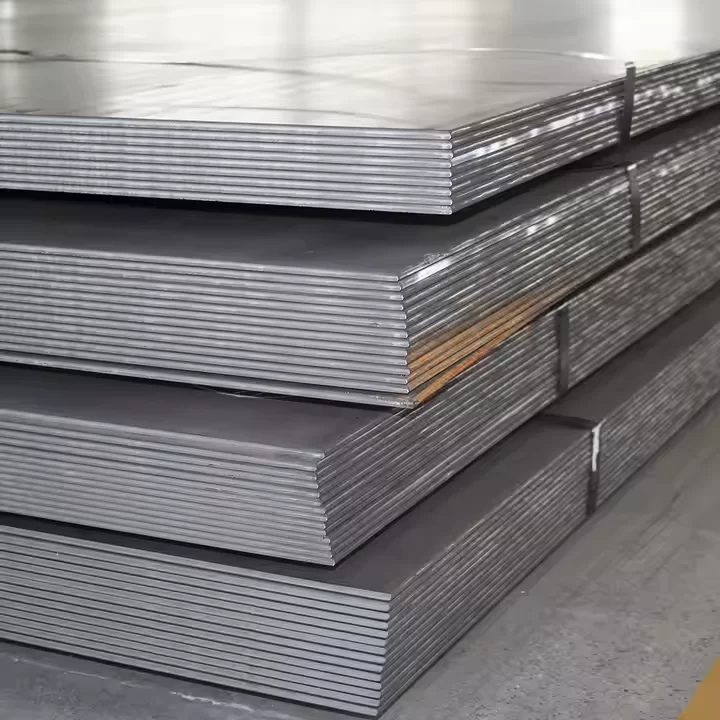


Production and Quality Management
Precision Smelting
Integrated converter and electric-furnace processes support precise alloy control.
Rare-Earth Purification
Advanced wire feeding helps reduce inclusions and improve material purity.
LF Refining
Ladle furnace refining helps maintain chemical homogeneity across plates.
Argon Blowing
Controlled degassing helps remove impurities and improve internal soundness.
Controlled Rolling
Optimized rolling and cooling processes support the required mechanical properties.
Quality Certification
Rigorous testing helps verify compliance with global ASTM and structural steel standards.
Lifecycle Investment Comparison
| Comparison Factor | Painted Carbon Steel | Corten Weathering Steel |
|---|---|---|
| Initial Setup | Lower material cost | Moderate material cost |
| Surface Treatment | Paint or powder coating required | None (natural exposure) |
| Maintenance Cycle | Repainting every 5-10 years | Zero to minimal |
| 30-Year OpEx | High labor and material costs | 40% lower lifecycle cost |
| Environmental Impact | High VOC emissions | Low carbon/VOC footprint |
Frequently Asked Questions About Corten Steel
Unlike standard carbon steel, which can continue to rust and deteriorate, Corten steel develops a protective patina that helps limit deeper corrosion. This can remove the need for paint in suitable conditions.
Weathering steel is suitable for many atmospheric conditions. In highly saline marine environments or where the steel is constantly immersed in water, additional protection may be necessary.
No. The patina is a protective surface layer; the inner steel core retains its structural integrity and high-strength properties in accordance with ASTM standards.
Formation time depends on local climate and exposure. A stable protective layer typically develops over several months to a few years as the steel cycles through exposure to moisture and oxygen.
Yes. Its weldability is equivalent to that of conventional structural steel. Specific filler metals are often recommended to match the weathering steel’s properties and appearance.
Where coating is not required, Corten steel avoids the use of VOC-emitting paint systems and reduces the frequency of maintenance work, making it a practical option for sustainability-focused projects.